Jaden’s Key Issues
-
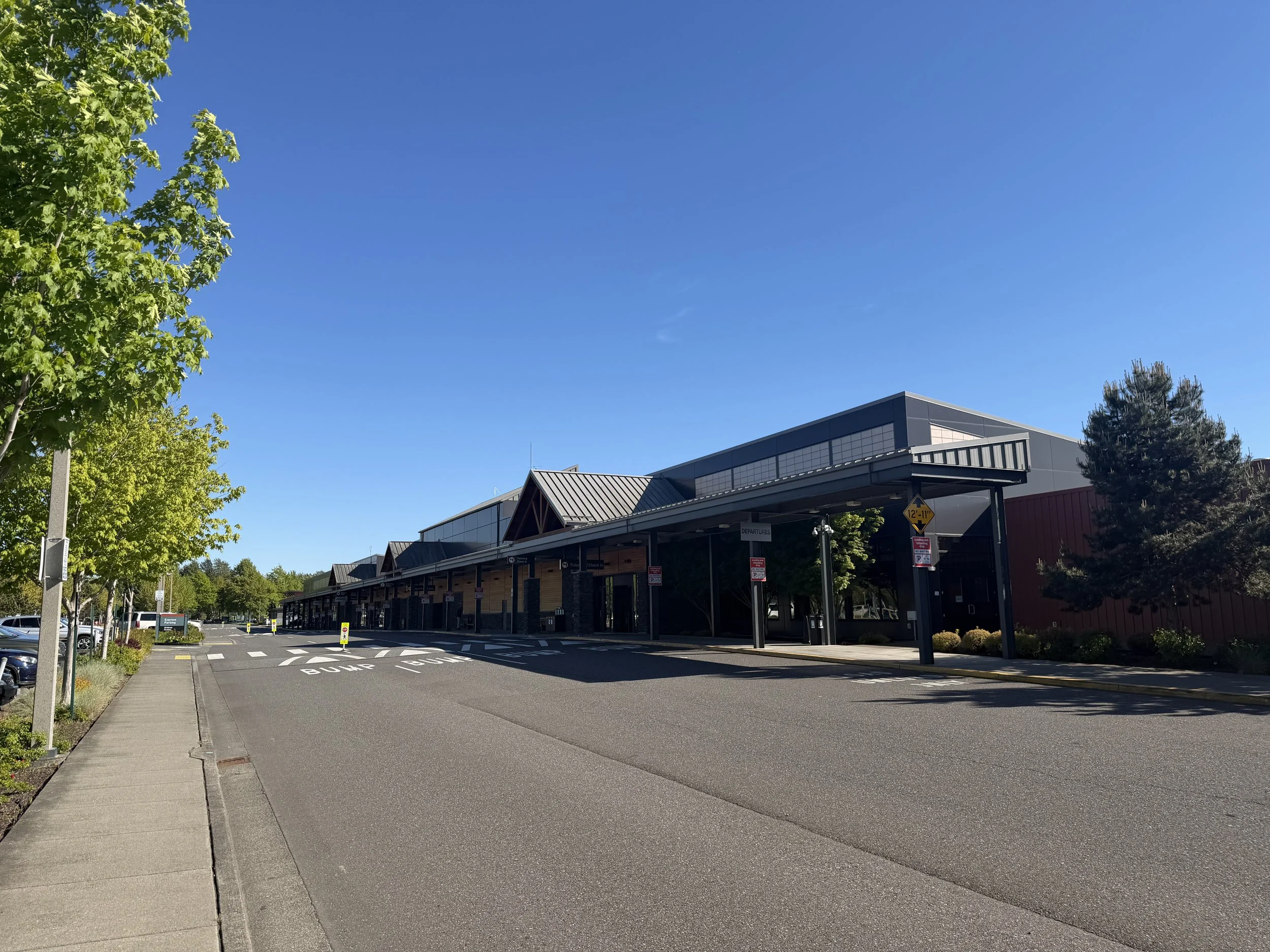
Bellingham International Airport plays an important role in connecting Whatcom County to the rest of the Pacific Northwest while also serving as a major economic asset for the region. Recent growth in service — including Alaska Airlines expanding the BLI to Portland route to twice-daily flights after strong community demand — demonstrates the airport’s value to local residents, tourism, and business travel. I’m running because I believe the Port should focus on realistic and sustainable growth that strengthens regional connectivity while maintaining reliable service, long-term financial stability, and a positive traveler experience. The airport is also an important hub for aviation services, logistics, freight movement, industrial development, and future economic opportunity throughout Whatcom County.
I support continuing to modernize airport infrastructure through long-term planning and aggressive pursuit of FAA and federal infrastructure grants, including projects like the upcoming runway rehabilitation and taxiway improvements scheduled for 2027, while also supporting aviation-related business development, workforce partnerships tied to skilled trades, and realistic evaluation of future customs and international service opportunities where financially and operationally sustainable.
HOW:
Support long-term modernization of airport infrastructure and systems
Aggressively pursue FAA and federal aviation infrastructure grants
Maintain strong relationships with airlines and regional partners
Support aviation-related business development and industrial opportunity
Improve long-term reliability, efficiency, and traveler experience
Evaluate future customs and international service opportunities realistically and responsibly
Support workforce partnerships tied to aviation and skilled trades
Focus on financially sustainable projects that strengthen the region long-term
-
The rail reconnection project at the Bellingham Shipping Terminal is one of the most important infrastructure investments currently happening in Whatcom County. Reconnecting the terminal to the BNSF mainline through a $17.9 million federal grant will improve freight efficiency, strengthen supply chains, reduce truck congestion, and help create long-term economic opportunity throughout the region. Combined with ongoing shipping terminal modernization and electrification projects, these investments position the Port for future industrial growth while improving the long-term competitiveness of Whatcom County’s working waterfront.
As Whatcom County continues growing, the Port should focus on infrastructure projects that improve reliability, strengthen industry, and maximize the long-term value of taxpayer investments. With my background in logistics, transportation, warehousing, and operations management, I understand how important efficient infrastructure and reliable supply chains are to local businesses, working families, and long-term economic stability. I believe the Port should continue focusing on projects that improve freight movement, support industrial job growth, and strengthen Whatcom County’s role in regional trade and transportation.
HOW:
Support completion of the rail reconnection project on schedule and within budget
Pursue additional transportation, freight, and infrastructure grants
Improve coordination between rail, trucking, maritime, and industrial infrastructure
Strengthen industrial site readiness for future employers and investment
Support projects that reduce congestion and improve freight efficiency
Prioritize long-term infrastructure investments that create lasting economic value
Support modernization projects that improve efficiency and future competitiveness
-
Whatcom County’s waterfront has always been tied to the jobs, industries, and small businesses that help keep our local economy moving. I believe the Port should continue investing in responsible waterfront modernization that supports maritime industries, shipping, tourism, and family-wage jobs while protecting the environment and preserving the character of our community. Recent projects at the Bellingham Shipping Terminal — including dock modernization, environmental cleanup, rail reconnection, stormwater improvements, and the new terminal electrification project — show that economic development and environmental stewardship can work together to strengthen the region long-term.
Long-term success depends on the Port having leadership focused on long-term infrastructure planning, responsible growth, and maximizing the value of investments already being made throughout the waterfront. Projects like shore power electrification can reduce emissions and noise while positioning the Shipping Terminal for the future of maritime transportation and sustainable shipping technology. I believe we should continue pursuing projects that strengthen the local economy, improve infrastructure, and support long-term family-wage jobs while keeping Whatcom County competitive for future maritime opportunities.
HOW:
Support modernization of docks, terminals, and maritime infrastructure
Continue environmental cleanup and stormwater improvement efforts
Pursue state and federal maritime infrastructure grants
Support long-term electrification and modernization projects where financially sustainable
Improve operational efficiency and long-term competitiveness at port facilities
Balance industrial activity with recreation, tourism, and waterfront quality of life
Support maritime industries that create long-term family-wage jobs
-
Agriculture remains one of the foundations of Whatcom County’s economy, and I believe the Port should continue supporting long-term investments that help local farming remain competitive for future generations. One recent example is the Port’s partnership in helping transition Boxx Berry Farm into the future Whatcom Agricultural Research Station in partnership with Washington State University, the agricultural community, and the Whatcom Food and Farming Station nonprofit. This project will create a local research and education hub focused on improving crop science, supporting agricultural innovation, and strengthening one of the county’s most important industries.
The Port has an opportunity to continue focusing on practical investments that strengthen the industries our communities depend on. Agriculture, food processing, transportation, logistics, and rural infrastructure all play a major role in Whatcom County’s long-term economic stability. With my background in logistics and supply chain operations, I understand how important reliable infrastructure, innovation, and long-term planning are to supporting local producers, family-wage jobs, and the future of rural communities throughout the county.
HOW:
Support agricultural infrastructure and research partnerships
Strengthen transportation and logistics systems supporting local agriculture
Support projects that improve long-term competitiveness for Whatcom County farmers
Pursue state and federal grants tied to agricultural innovation and economic development
Improve coordination between agriculture, industry, transportation, and workforce development
Support long-term rural economic growth while preserving Whatcom County’s agricultural roots
-
Whatcom County’s economy depends on the people who keep our industries moving — from maritime workers and mechanics to truck drivers, welders, equipment operators, electricians, logistics professionals, aviation technicians, and skilled trades workers. I believe the Port should continue supporting partnerships that help connect local students and workers with long-term career opportunities tied to the industries that already play a major role in our region. Projects like the Shipping Terminal modernization, rail reconnection, airport improvements, and agricultural research partnerships all create opportunities to strengthen workforce development while supporting long-term economic growth.
Our region needs leadership focused on creating opportunity for the next generation while strengthening the industries that support working families throughout Whatcom County. With my background in logistics, warehousing, transportation, and operations management, I understand the importance of skilled labor, reliable infrastructure, and workforce development to keep industries competitive and communities strong. I believe the Port should continue working with local schools, trade programs, businesses, and workforce organizations to help create clear pathways into stable, family-wage careers right here in Whatcom County.
HOW:
Support partnerships with trade schools, WSU, and workforce training programs
Encourage apprenticeship and internship opportunities tied to port industries
Strengthen workforce pathways connected to aviation, maritime, logistics, agriculture, and skilled trades
Coordinate with local employers to identify long-term workforce needs
Support infrastructure projects that create stable family-wage jobs
Pursue grants tied to workforce development and industry training
Improve awareness of career opportunities available within local industries